Autumn Opens the Ink-Making Season at Kobaien
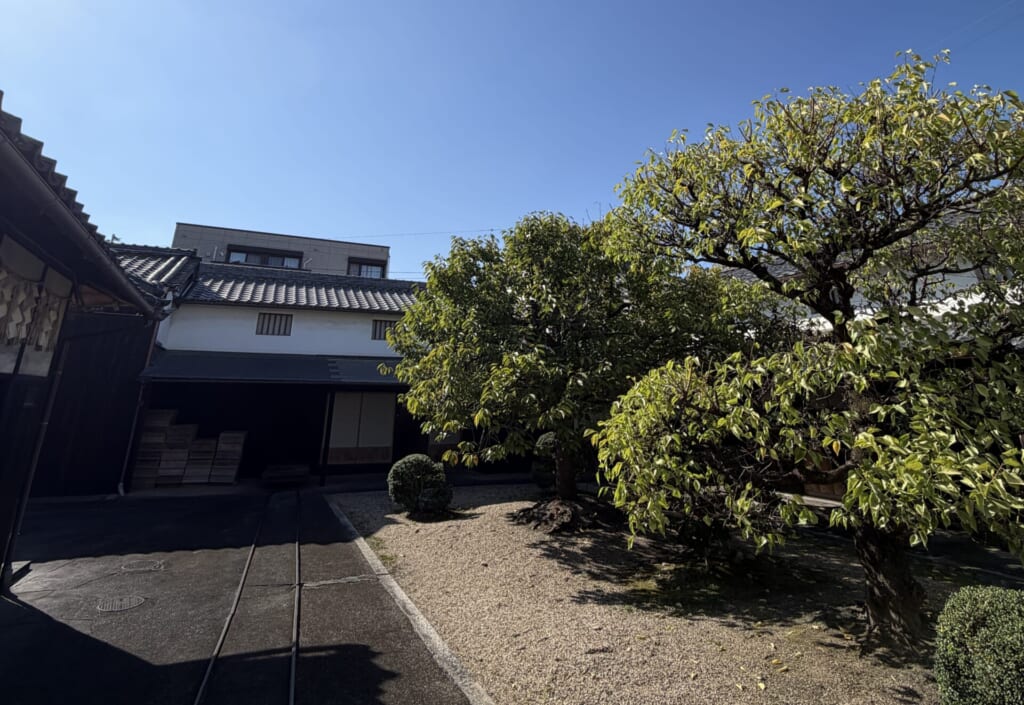
On 12 October, we stand on the threshold of the season that sets the rhythm of traditional ink making at Kobaien.
Established in 1577, this workshop in Nara passes its skills from one generation of artisans to the next.
According to Kobaien, the best time for production runs from mid-October to around the end of April.
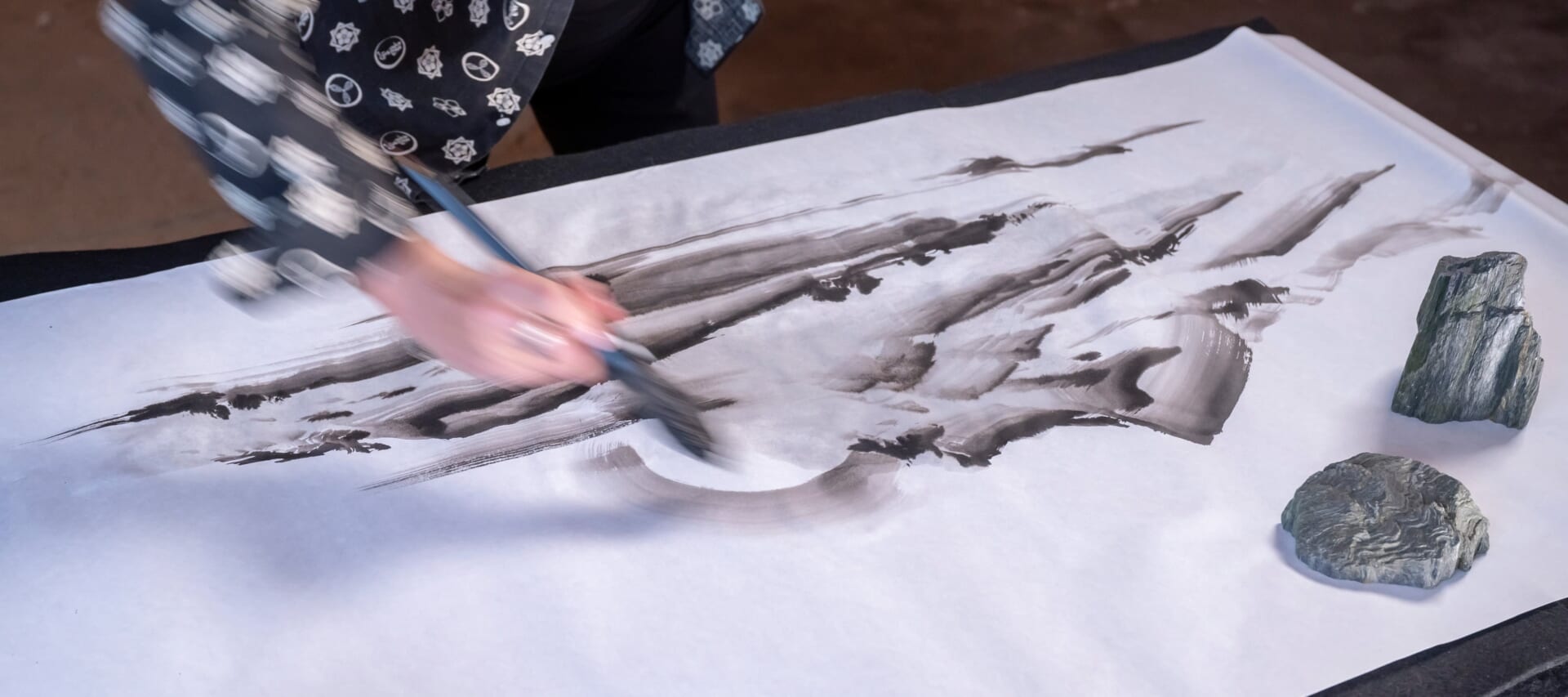
Autumn is therefore a fitting moment to discover how sumi is made.
Why the cooler months?
The answer lies partly in nikawa, the animal glue that binds the particles of soot.
Lower temperatures help the glue set and limit the growth of microorganisms.
Cool weather is thus part of the process that allows the ink to be properly shaped and dried.
In the method described by Kobaien, soot is collected by burning pure vegetable oil.
The flame of a rush wick deposits it on the inside of an earthenware cover.
The artisan regularly turns the vessel to ensure that the soot collects evenly.
Meanwhile, the glue is slowly dissolved in a water bath.
It is then combined with soot and fragrance, and the mixture is thoroughly kneaded.
The soft ink is pressed into pearwood moulds carved with characters and decorative patterns.
Once removed from their moulds, the ink sticks are still far from ready to use.
They first dry in wood ash, which is gradually replaced with less moist ash.
They are then tied with straw and hung from the ceiling to dry naturally for several months.
During finishing, their surfaces are polished with clam shells, and their designs are highlighted with materials including gold and silver.
Kobaien also offers the seasonal experience of nigiri-sumi, in which visitors shape the warm ink mixture with a gentle squeeze of the hand.
Taking place in late April, Sumi Journey 2027 will bring us closer to the ink sticks born of these months of patient craftsmanship, inviting us to appreciate the time, skill and care held within each one.
Margot